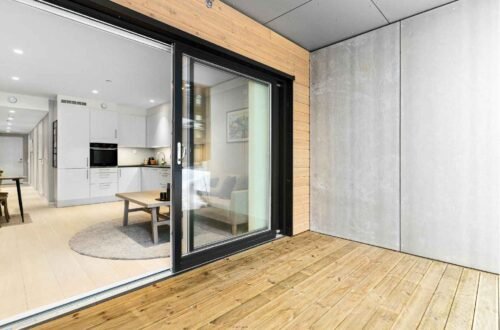
Flooring makes a big impact in the way your home appears, feels and operates. The right floor can ensure a room looks and feels good, it’s easy to clean and maintain; the wrong floor could lead to damage, personal discomfort and costly repairs. Because each room has various uses, levels of moisture and foot traffic, flooring must be chosen one room at a time. Knowing these differences can help you decide which type of flooring is right for your home and where it will look best.
1. Why type of flooring should be different in each room
Rooms are not used the same way. Bedrooms require comfort, kitchens demand durability, and bathrooms must have water resistance. It might seem like common sense to select identical flooring for every room in the home, but just because a matching style looks seamless doesn’t mean it’s always practical. Flooring by room type increases comfort, safety, and ease of care.
2. Living Room Flooring: Balance Style and Durability
The living room is one of the busiest areas in a home. It’s inviting and needs to withstand daily foot traffic. Some options include tile, laminate and hardwood style flooring. These materials provide a nice trade-off between looks and strength.
3. Bedroom Flooring: Comfort Comes First
Bedrooms are private paces of rest! Soft, warm flooring is the best option here. Wood flooring, laminate or vinyl which looks like wood is pretty to install. You can also go with carpets, if you like the extra softness and warmth under foot.
4. Kitchen Flooring: Prioritize Strength and Safety
Kitchen floors have to withstand spills, stains and heavy foot traffic. The floor should be smooth, easy to clean and resistant to water and heat.
Common kitchen flooring choices include:
- Ceramic or vitrified tiles
- Vinyl flooring
- Stone flooring
- Anti skid tiles
- Waterproof laminate
These are good for every day kitchen use.
5. Bathroom Flooring: Water Resistance Is Essential
In bathrooms, you need flooring that can handle constant moisture. Wet floors can be slippery and are hazardous, so safety is priority. Anti skid ceramics tiles, and matt finish homogeneous porcelain, textured vitrified clay and natural stone are good options. Do not use wood or laminate floorings for bathroom as there is great potential to wet them.
6. Choose an Easy to Clean Flooring for Dining Room!
Dining spaces are a common site of food spills and heavy cleaning. This flooring will need to be stain resistant and relatively easy to clean. Tiles and vinyl floors are both a good fit as they clean easily while maintaining their appearance for use after use.
7. Flooring for Kids’ Rooms: Durable and Safe Options
Flooring for children’s rooms must be tough enough to withstand the rigors of daily playing and safe. Consider soft vinyl flooring or even laminate. These alternatives are versatile easy to clean and nice for kids to play on.
- Scratch resistant surface
- Easy cleaning and maintenance
- Comfortable underfoot
- Safe edges and finish
- Long lasting material
These elements facilitate intelligent decisions for parents.
8. Balcony and Outdoor Flooring Considerations
Balconies and open outdoor areas are susceptible to sunlight, rain and dust. The flooring here must be weather resistant and as nonslippery. For these spaces, you can select outdoor tiles made of stone floors or rough-textured ceramic tiles.
9. Budget and Maintenance Factors
Second, budget is another key factor when making flooring choices. Fancy floors may be pretty, but they can also break the bank. Think about long-term maintenance, repair costs and durability before you pick a product. Occasionally, middle of the road gets you there sooner.
10. Matching Flooring With Home Style
Your flooring should match the overall design of your home. Clean tiles and vinyl look fantastic in modern homes, whilst stone or wood effect is better around traditional decor. Continuity of colour tone from room to room, even if the materials are different will help visual flow.
Key Takeaways
Finding the perfect type of flooring for each room in your home involves considering usage, how much time you spend there, exposure to moisture and required maintenance. Living rooms require balance, bedrooms need softness, kitchens and bathrooms need durability, outdoor spaces should be weatherproof. Room wise flooring is durable and provide the most comfortable living experience.
FAQs:
Q1. Can I have the same flooring throughout?
Yes you can, but it is not always convenient that because rooms have different requirements.
Q2. Which is best flooring for home in India?
Durability and ease of cleaning make tiles or vinyl popular choices.
Q3. Can I have wood flooring in the kitchen or bathroom?
Answer: No, wood can become damaged due to wearable moisture.
Q4. What is the cheapest flooring to install?
Ceramic tiles and vinyl floors will do wonders for you.
Q5. What is the average life of home flooring?
High-quality flooring can hold up for 10 to 20 years with regular maintenance.