Coastal areas have always been popular for buyers, investors and tourists as a result of their beauty and lifestyle. But as climate change progresses, these enviable sites are increasingly at risk from rising sea levels, coastal erosion and extreme weather. That these environmental risks are starting to realign how we think about coastal real estate. Some parts of economies are withering even amid reduced demand and falling prices, but other areas are adjusting through innovation or a focus on an anti-fragile approach to development. One of the biggest stories in global real estate right now is how climate change will transform our housing markets.
1. Sea Level Rise and the Value of Your Property
The melting of glaciers and thermal expansion also mean the sea levels are constantly creeping higher- one of the most obvious signs of climate change. Coastal homes are at bigger risk of flooding – something which affects property insurance, maintenance and resale value. Research has found that even small floods can reduce property values as people are more cautious about long-term sustainability. Parts of Florida, the Maldives and Southeast Asia are already experiencing these shifts.
2. More Frequent Severe Weather Episodes
Haiti’s coastlines are susceptible to hurricanes, cyclones and storm surges that have grown in intensity with climate change. The repeated battering discourages investment and drives up the cost of rebuilding. For instance, after strong storms insurance rates can often increase, making coastal living more costly. Homes in high-risk areas typically do not rise back to their pre-storm worth, which drags down the value of waterfront homes across the board.
3. Insurer Payouts and Property Market Swings
Insurance companies are responding to climate risks by increasing premiums or denying coverage in flood-prone areas. This greater burden of ownership is less affordable and leads to lower demand for property. Some lenders, too, have grown skittish about financing homes in vulnerable coastal areas, constraining credit. That has slowed once-booming housing markets, or reversed growth to outright depreciation in some cases. Safer areas further inland have become more popular with home buyers.
4. Shifting Buyer Preferences
Today’s homebuyers are more environmentally conscious and risk-averse. There are already many who research flood maps and climate risk assessments before buying coastal property. Purchasers are now also prioritizing safety, elevation and proximity to first responders ahead of so-called curb appeal. This growing preference is putting its stamp on coastal markets, with home sales there soaring and demand for existing homes remaining robust, despite prices that are at or near their peaks in many locations.
5. Coastal Adaptation and Resilient Infrastructure
Not all of the decline is in coastal markets. Cities that are investing in projects aimed at resilient infrastructure are addressing climate change and protecting property values. Such solutions may include seawalls, levees, raised buildings and better storm drains. Some places, however, are global leaders for adaptive infrastructure and have healthy real estate markets despite rising seas places like the Netherlands and Singapore. Developers who embrace resilient design are working to fit the sea into our lives, helping it to remain a boon rather than a boondoggle at the coast.
6. Economic and Social Consequences
The drop in coastal home prices has effects that ripple through the economy and society. Local municipalities that rely on the property tax have seen revenues plummet, leading to declines in public services and economic development. Coastal tourism sectors are also negatively affected when infrastructures are damaged or perceived risk rises. Lower-income residents of vulnerable areas are also at increased risk of displacement, underscoring the social inequality tied to climate-fueled shifts in property values.
7. Role of Technology and Data Analytics
Sophisticated data analytics and AI are enabling buyers, developers, and governments to better evaluate climate risks. Climate risk reports are now woven into real estate platforms, helping investors to be informed. Satellite photographs, predictive modeling and environmental data all combine to help forecast which areas are most likely to be at greater long-term risk. This increasing transparency is affecting property pricing and investment trends around the world.
8. If it bleeds, it leads and sustainable real estate development
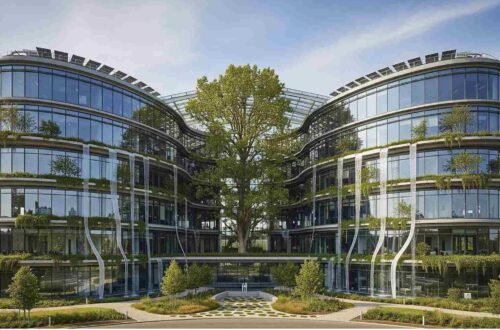
More and more developers are building sustainability into coastal development. Raised foundations, energy-efficient systems and flood-resistant materials are becoming de rigueur in new development. Moves towards climate-smart construction are being stimulated by green certification programmes such as LEED and EDGE. By adhering to sustainable design practices, developers can retain buyer confidence and get premium prices even in vulnerable regions.
9. Market Variations Across Regions
But the impact of climate change on coastal property values depends on geography and local response.
- High-risk areas: Coastal properties that experience repeated flooding or have not adequately adapted are witnessing a decline in property values.
- Moderate-risk regions: Markets with improving resilience infrastructure maintain stable values
- Low-risk or higher zones: Such areas sometimes see price gains as buyers look for safer investments.
Countries such as Australia, Japan and US provide distinct examples of price disparity between vulnerable and climate-resilient coastal properties.
10. The Future of Investing in Coastal Real Estate
The fundamentals of investing in coastal property are shifting because of climate change. The future will be won or lost on resilience, sustainability and innovation. It is up to developers, policy makers and investors working together to strike a balance between what the environment allows and what businesses want. But as adaptation technology becomes more sophisticated, those coastal areas that adapt will survive, and those that neglect to do so could see a long-term episode of devaluation. The future of coastal real estate may depend on designing smarter, stronger and more sustainable communities.
Key Takeaways
- Property values in vulnerable coastal areas are being threatened by rising seas and extreme weather.
- Ownership, in fact, is becoming less affordable because of insurance and maintenance costs.
- Climate-proof infrastructure could help stabilize and even increase coastal property prices.
- Buyers tastes are moving to safer, more sustainable and higher ground.
- The future of coastal real estate may depend on new laws and regulations.
Conclusion
The explosion in pricing of climate risk Climate change is no longer some putting-off-able threat — it’s the defining force in the real estate market around the world. Despite the growing threat of rising seas, storms and sustainability challenges, coastal property values today still largely ignore both how much communities are takings steps to prepare for those risks, and other risk factors already present. Those developers and governments and investors who are paying attention to resilience and innovation have the potential to protect not only property prices but also the future of life on the coast. The way forward is to construct smarter, more sustainable and safer coastal spaces — for all generations.
FAQs:
Q1. What impact is climate change having on the value of coastal property?
Demand and property values fall in vulnerable coastal areas as sea levels rise, floods occur and extreme weather becomes routine.
Q2. Which coastal areas are most at risk from the effects of climate change?
The most affected are low-lying areas in the U.S., Southeast Asia and island nations.
Q3. Can tough infrastructure save property values?
Yes, cities that are investing in seawalls and drainage and elevation measures have stronger property markets.
Q4. What is the impact of insurance costs on coastal housing markets?
More expensive insurance and less coverage in high-risk areas are deterring buyers and depressing prices.
Q5. What’s next for investing in waterfront?
The future is sustainable – resilient, eco-friendly properties will hold value over time.