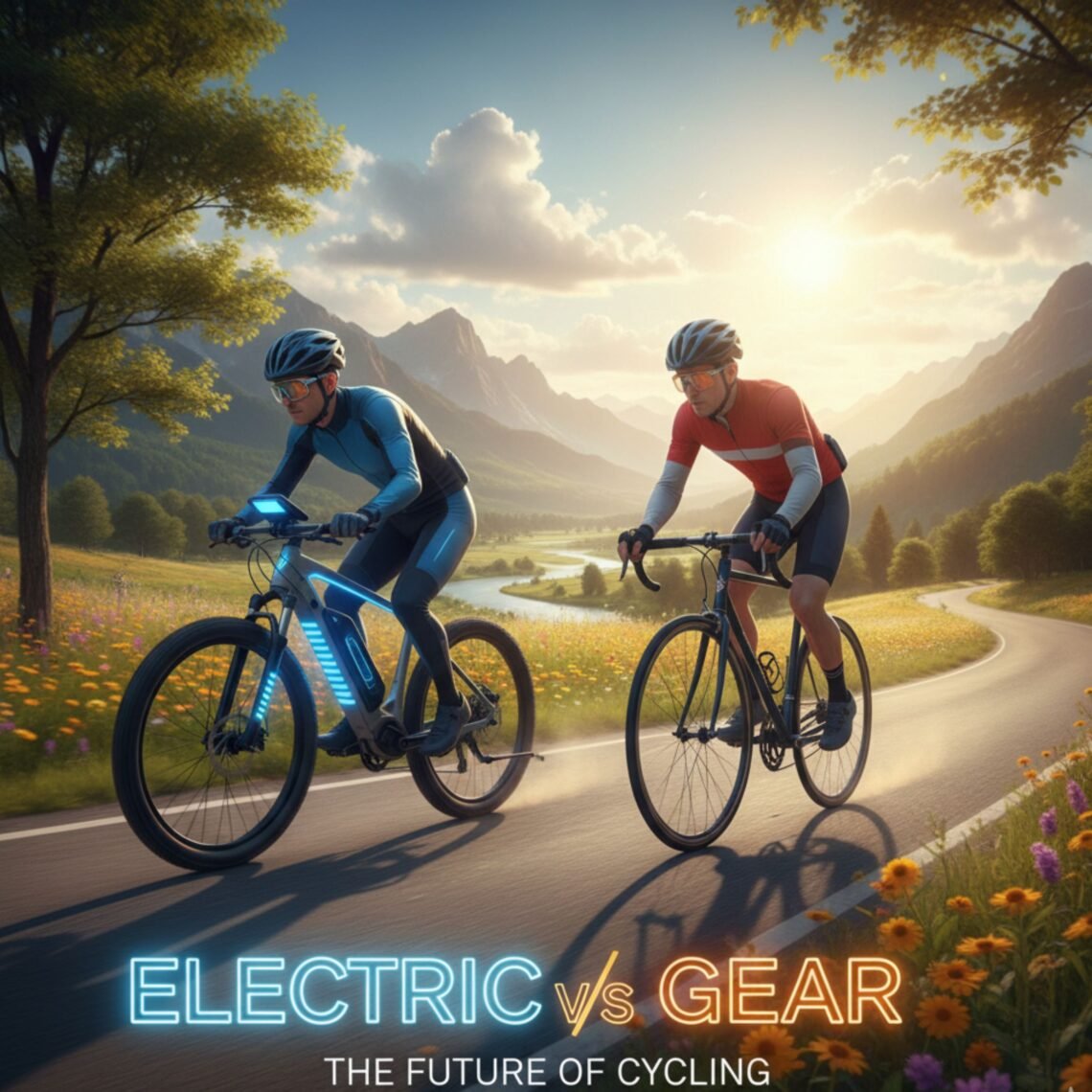
When it comes to cycling for long distances, many riders find themselves debating between two main types of bikes: the electric bicycle (e-bicycle) and the traditional gear cycle. Each of these options has its own set of advantages and limitations, making it essential to understand which one suits your needs best.
Whether you’re a seasoned cyclist or someone just looking to venture into long-distance riding, this blog will guide you through the key differences, benefits, and considerations between an electric bicycle and a gear cycle for long rides. The goal is to clear up any doubts and help you make an informed decision based on your personal preferences and cycling goals.
What is an Electric Bicycle (e-bicycle)?
An electric bicycle, or e-bike, is a bicycle equipped with an electric motor that assists with pedaling. The motor helps reduce the effort required to pedal, especially on inclines or long stretches. E-bikes typically come with a rechargeable battery that powers the motor, and some models allow you to adjust the level of assistance you receive while riding.
E-bikes are designed for those who want to cycle with less physical exertion, allowing for longer rides without the fatigue typically associated with manual pedaling. These bikes can also reach higher speeds than traditional bikes, depending on the model, and are often equipped with advanced features such as regenerative braking and digital displays.
What is a Gear Cycle?
A gear cycle (also known as a geared bicycle) is a traditional bike that allows the rider to shift between different gear ratios. This shifting mechanism makes it easier to tackle varying terrains by adjusting to more comfortable or efficient pedaling intensities. Whether you’re riding on flat roads, hilly terrains, or mountainous paths, a gear cycle lets you control your speed and effort.
Gear cycles come with multiple gears, commonly ranging from 18 to 27, though higher-end models may offer more. The key advantage of a gear cycle is its simplicity and reliability, as it doesn’t require a battery or motor. Gear cycles also tend to offer more direct control over speed and pedaling effort, giving riders the experience of true manual cycling.
Electric Bicycle vs. Gear Cycle for Long Rides: Key Considerations
Now that we have an understanding of what both types of bikes are, let’s compare them across various factors to help you determine which one is better suited for long rides.
1. Physical Effort and Endurance
One of the primary distinctions between an e bicycle and a gear cycle is the amount of physical effort required.
- Electric Bicycle: E-bikes are designed to assist you while riding. With the motor providing extra power, you can cover long distances with less physical strain. This is particularly beneficial for riders who may not have the stamina or fitness level to pedal for hours on end. The electric motor can also be helpful when navigating hills or headwinds, allowing you to maintain a steady pace without feeling exhausted.
- Gear Cycle: A gear cycle requires the rider to put in more effort to cover long distances. While this offers a more challenging ride and a true test of endurance, it can be physically taxing, especially on hills or rough terrain. However, for those who enjoy the physical challenge and wish to build their fitness, gear cycles offer a rewarding experience. Additionally, you can adjust the gears to suit the terrain, which helps conserve energy over time.
Winner: If your goal is to minimize physical effort and conserve energy over long distances, an e-bicycle is the better option. If you’re looking for a more strenuous workout and enjoy the challenge of pedaling long distances, a gear cycle is the way to go.
2. Speed and Performance
Both types of bicycles can achieve high speeds, but the way they reach those speeds differs.
- Electric Bicycle: With the help of the motor, an electric bicycle can reach speeds faster than a traditional bike. Most e-bikes have a maximum assisted speed of around 28 mph (45 km/h) in some regions, although this can vary depending on local laws and bike specifications. The motor provides consistent assistance, allowing for faster acceleration and sustained speed without needing to exert as much energy.
- Gear Cycle: A gear cycle, on the other hand, is dependent entirely on the rider’s effort. The top speed will vary based on the rider’s fitness level, gear selection, and terrain. While it’s possible to go fast on a gear cycle, it may take more effort to reach and sustain those higher speeds.
Winner: If speed and efficiency are important to you, an electric bicycle will typically outperform a gear cycle, especially on longer, flat stretches. However, for those who enjoy manual control and a more personal connection with the bike, a gear cycle provides a more organic cycling experience.
3. Battery Life and Maintenance
Another key consideration for long-distance rides is how long you can ride before needing to recharge (in the case of an e-bike) or service your bike (in the case of a traditional gear bike).
- Electric Bicycle: The battery life of an e-bike can range anywhere from 30 to 100 miles on a single charge, depending on the motor’s power, battery size, and level of pedal assistance. This means that for longer rides, you’ll need to plan your route around charging stations or carry an extra battery if you plan on going extremely long distances. E-bikes also require more maintenance due to the battery and motor, although modern e-bikes are designed to be relatively low-maintenance.
- Gear Cycle: A gear cycle doesn’t require a battery and therefore has unlimited range as long as you’re physically able to pedal. However, gear cycles can require more frequent manual maintenance, such as chain lubrication and gear adjustments. For long rides, you may also need to carry extra water, food, and basic repair tools, as you won’t have the luxury of an electric assist.
Winner: Gear cycles win in terms of long-term reliability and no need for charging, but e-bikes offer less manual maintenance and can help reduce the fatigue on longer rides. It ultimately depends on your preferences and whether you’re comfortable with the extra care and charging logistics of an e-bike.
4. Terrain and Handling
Long-distance rides often include a variety of terrains, from smooth, paved roads to rugged trails and hills. Let’s consider how each bike type handles such challenges.
- Electric Bicycle: Many e-bikes come equipped with larger, thicker tires that are ideal for a variety of terrains, including paved roads, gravel, and light off-road trails. The motor also provides an added boost, making it easier to tackle hilly or challenging terrain without feeling overwhelmed.
- Gear Cycle: A gear cycle is also designed for versatility, with many models featuring mountain bicycles or hybrid bikes designs that can handle rough terrains. With the ability to shift between gears, you can easily adjust to different types of terrain, whether you’re riding on flat roads, steep hills, or off-road trails.
Winner: For mixed terrains, gear cycles may offer more control and versatility, especially for experienced riders. However, if you need assistance on tough hills or off-road paths, an e-bicycle would make those rides much easier.
5. Cost
- Electric Bicycle: While e-bikes offer a lot of advantages, they are generally more expensive than gear cycles. Depending on the motor, battery capacity, and brand, e-bikes can range from ₹45,000 to over ₹3,00,000. The upfront cost can be a significant factor for many riders.
- Gear Cycle: Gear cycles are typically more affordable, with entry-level models starting at around ₹22,000. High-end gear bikes can range up to ₹1,50,000 or more, depending on the materials and features.
Winner: Gear cycles generally come at a lower cost, making them more accessible for those on a budget. Electric bicycles require a larger investment, but they offer significant benefits in terms of speed and reduced physical effort.
Conclusion
Both the electric bicycle and the gear cycle have their own merits for long rides, and the right choice depends on your personal preferences, fitness level, and cycling goals.
- If you’re looking for less physical effort, longer distances, and a more relaxed riding experience, an electric bicycle will be the best choice for you.
- If you prefer a more physically engaging ride, enjoy manual control, and want a bike that doesn’t require charging or batteries, a gear cycle is the way to go.
In the end, it’s important to choose a bike that fits your needs and aligns with your riding goals. Whether it’s an e-bicycle or a gear cycle, both options can provide a rewarding and enjoyable experience for long-distance cycling.